



Most of us were raised to believe, without question, that George Washington was the first president of the United States. His name is etched in marble, his image printed on the one-dollar bill, and his leadership taught as the birth of a nation. But what if I told you that Washington was actually the eighth president – and that seven men held the title before him?
This is not conspiracy, but history. The truth lies in the forgotten years between the Declaration of Independence in 1776 and the ratification of the U.S. Constitution in 1789.
The Real First Presidents
After the colonies declared independence, America did not immediately have the Constitution or the office of “President of the United States of America” as we know it today. Instead, the new nation operated under the Articles of Confederation, a fragile system that gave most power to the states.
The Articles created what was called the Continental Congress, which appointed a presiding officer with the title “President of the United States in Congress Assembled.” This role was not as powerful as Washington’s presidency later became as the role adapted – it was more ceremonial, more like the Speaker of the House is today – but it was nonetheless the official title of “President.”
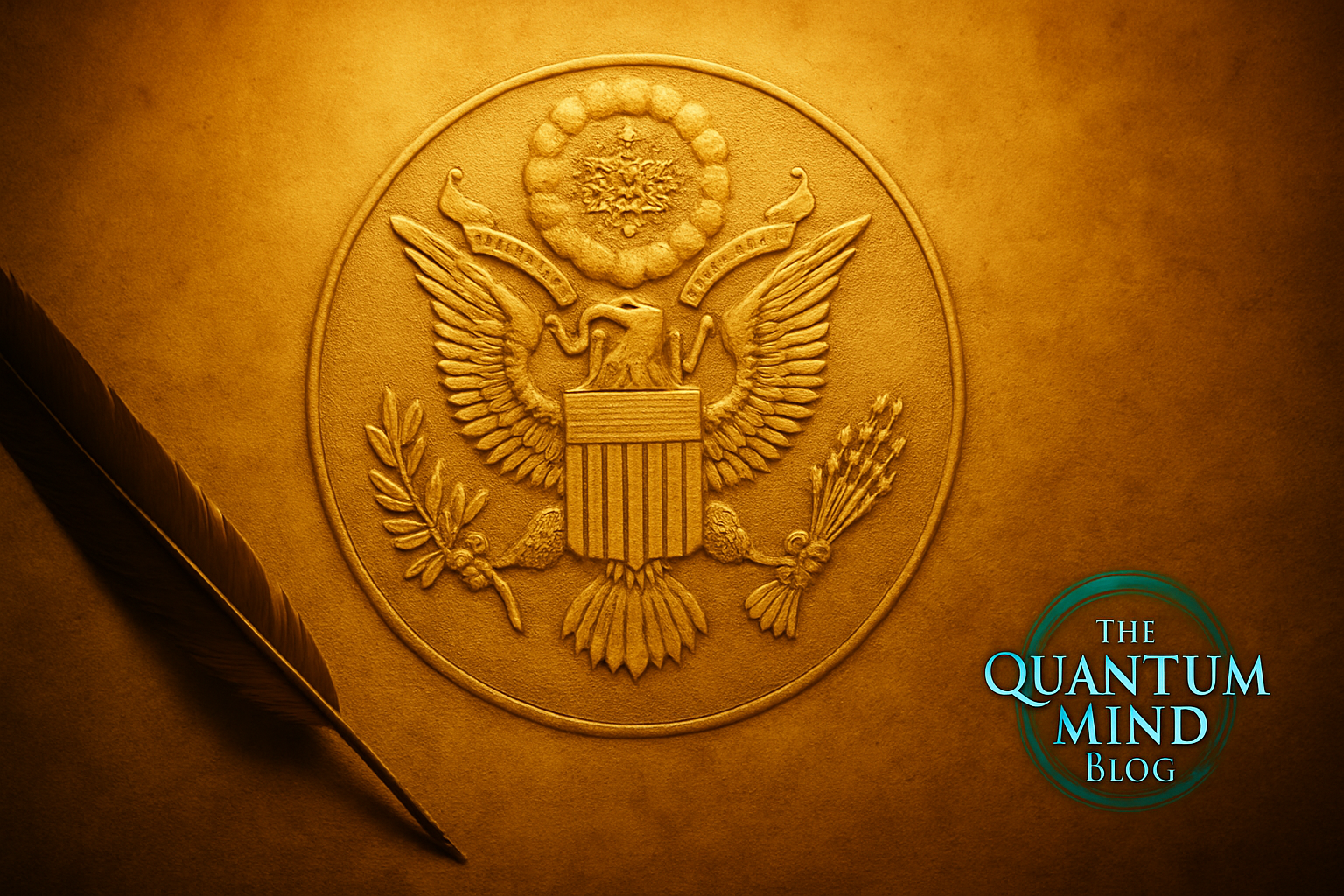
The first man to hold it? John Hanson of Maryland, elected in 1781. He signed official documents, led Congress, and even established the Great Seal of the United States.
He was followed by others – Elias Boudinot, Thomas Mifflin, Richard Henry Lee, John Hancock (yes, the famous signature), Nathaniel Gorham, and Arthur St. Clair – making Washington technically the eighth president.
Why George Washington Became “First”
So why do our history books erase these seven men? Why do classrooms insist Washington was the first president?
The answer is simple – power and narrative.
– The Constitution reset the clock.
When the Constitution replaced the Articles of Confederation in 1789, the office of the presidency was completely redefined. This new role was no longer symbolic – it carried real executive power. Washington was the first to hold this stronger office so to speak.
– Nation-building required a story.
A young nation needed a clear, unifying story that would spread to help it grow. Washington – a war hero, commanding presence, and widely admired – was the perfect symbol. His presidency was then recreated as the beginning, even though the government had already been functioning for nearly a decade.
– Education simplified the truth.
American schools were designed to create law abiding, patriotic citizens. Teaching a complex truth -that the U.S. had “two first presidents” depending on which government you count – was inconvenient. So the textbooks told a cleaner, easier story.
Why It Matters
The erasure of these early presidents isn’t just a quirky trivia fact – it shows us how history is written by those who benefit from the narrative.
By teaching Washington as the first, the system gave Americans a heroic founding father instead of a messy story about fragile governments, political experiments, and nearly-forgotten leaders. But when we peel back the myth, we see a fuller, more human truth. Our democracy was fragile, clumsy, and imperfect from the start.
And perhaps that is the real lesson – history is always more complicated than the version we’re taught, and the ones in power didn’t always get it right the first second or even third time.
Final Reflection
George Washington deserves his place in American history – he guided a divided people through war, peace, and the creation of a new government. But he was not the “first.” He was the eighth.
The truth was buried, not because it was false, but because it was inconvenient. The story we tell our children is often shaped to inspire loyalty rather than curiosity. Yet curiosity is exactly what we need.
When we dare to question the “official” story, we uncover not only hidden truths about the past, but also the ways in which narratives and programming still shape our lives today.
Leave a Reply